The Houston Plumbing Company provides professional sewer cleaning for homes and businesses throughout Houston and the surrounding area. Our licensed and insured plumbers use professional equipment to clear sewer line blockages caused by grease, roots, debris, mineral buildup, and other obstructions.
- Licensed & Insured Plumbers
- Same-Day Sewer Cleaning Available
- 24/7 Emergency Service
- Professional Hydro Jetting & Augering
- Sewer Camera Inspection Available
- Free Estimates
- No Service Call Charge
Schedule Sewer Cleaning
Call (281) 247-5055
Professional Sewer Cleaning in Houston
A slow drain can be a fixture problem. When multiple drains back up, gurgle, or drain slowly at the same time, the problem may be in your main sewer line.
The Houston Plumbing Company can inspect the line, identify the blockage, and use the appropriate professional equipment to restore proper flow.
We provide residential and commercial sewer cleaning throughout Houston and surrounding Greater Houston communities.
Schedule Sewer Cleaning
Sewer Cleaning Services
Main Sewer Line Cleaning
When a blockage affects multiple fixtures, the main sewer line may be restricted. We can access the line, locate the blockage, and clear the obstruction to restore proper drainage.
Schedule Sewer Cleaning
Hydro Jetting
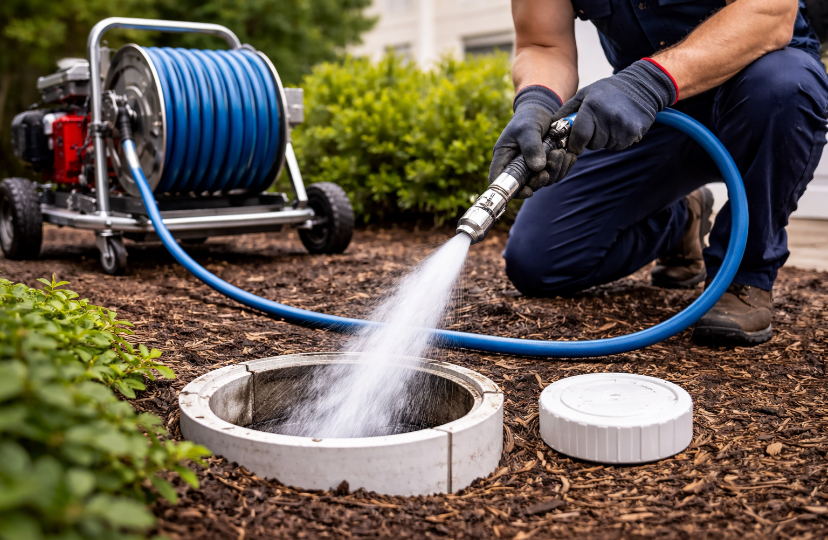
Hydro jetting uses high-pressure water to remove grease, mineral scale, sludge, roots, and other buildup from the inside of the sewer line.
Schedule Hydro Jetting
Mechanical Sewer Cleaning
Professional augers and cable equipment can break through solid blockages, root masses, and debris inside sewer lines.
Schedule Sewer Cleaning
Sewer Camera Inspection
A sewer camera inspection helps identify the location and cause of a blockage before cleaning and can verify the condition of the line afterward.
Schedule Sewer Inspection
Root Intrusion Cleaning
Tree roots can enter sewer lines through cracks and joints and create recurring blockages. We can remove root growth and inspect the pipe for damage.
Schedule Root Intrusion Service
Emergency Sewer Cleaning
A backed-up sewer line can quickly create a serious plumbing emergency. The Houston Plumbing Company provides 24/7 emergency sewer cleaning when you need immediate service.
Get Emergency Sewer Service
What Causes Sewer Line Blockages?
Common causes of sewer blockages include:
- Tree root intrusion
- Grease and fat buildup
- Mineral and scale deposits
- Debris and foreign objects
- Aging or damaged pipes
- Bellied or sagging sewer lines
- Heavy buildup inside older pipe systems
If a blockage keeps returning after cleaning, the sewer line may have an underlying structural problem that requires repair or replacement.
Schedule Sewer Inspection
Signs Your Sewer Line Needs Cleaning
You may have a sewer line blockage if you notice:
- Multiple slow drains
- Several fixtures backing up together
- Gurgling toilets or drains
- Sewage odors
- Water backing up into a tub, shower, or floor drain
- Wet or unusually green areas near the sewer line
- Recurring sewer backups
When several fixtures are affected at once, the problem is often farther down the main drain or sewer line.
Schedule Sewer Cleaning
Sewer Cleaning vs. Sewer Line Repair
Sewer cleaning removes blockages and buildup from inside the pipe. Sewer line repair addresses structural problems such as cracks, breaks, collapsed sections, separated joints, or other damage.
If a sewer line repeatedly becomes blocked after professional cleaning, a camera inspection can help determine whether the pipe itself needs repair or replacement.
Schedule Sewer Inspection
Our Sewer Cleaning Process
1. Inspect
We use professional equipment to locate the blockage and identify its likely cause.
2. Choose the Right Cleaning Method
Depending on the condition of the line, we may use mechanical augering, hydro jetting, or another appropriate cleaning method.
3. Clear & Verify
We remove the blockage, verify proper flow, and explain any additional problems discovered during the inspection.
You receive a clear estimate before additional work begins.
Schedule Sewer Cleaning
Why Choose The Houston Plumbing Company?
When you need sewer cleaning, you want the blockage cleared correctly—not temporarily opened only to return a few weeks later.
Our licensed and insured plumbers use professional diagnostic and cleaning equipment to identify the problem and restore proper sewer flow.
- Licensed and insured plumbers
- 24/7 emergency service
- Same-day appointments available
- Free estimates
- No service call charge
- Professional hydro jetting and augering
- Sewer camera inspections
- Transparent pricing
- 4.9-star Google rating with 280+ reviews
Schedule Sewer Cleaning
Serving Houston & Surrounding Areas
The Houston Plumbing Company provides professional sewer cleaning throughout Houston and surrounding Greater Houston communities, including Cypress, Katy, Memorial, The Heights, and nearby areas.
Check Service Availability
Need Sewer Cleaning in Houston?
Don’t wait for a slow drain or recurring backup to become a sewage emergency.
The Houston Plumbing Company can inspect your sewer line, clear the blockage, and identify underlying problems that may require additional service.
Schedule Sewer Cleaning
Phone: (281) 247-5055
Frequently Asked Questions About Sewer Cleaning
How much does sewer cleaning cost in Houston?
The cost depends on the location and severity of the blockage, the condition of the sewer line, and the cleaning method required. The Houston Plumbing Company provides a clear estimate before work begins.
How do I know if I need sewer cleaning or sewer line repair?
Sewer cleaning removes blockages and buildup. Sewer line repair is needed when the pipe itself is damaged. If the line repeatedly backs up after cleaning, a camera inspection can help determine whether structural damage is causing the problem.
How often should a sewer line be cleaned?
There is no single schedule for every property. Homes with recurring blockages, heavy root growth, older cast-iron lines, or significant buildup may need more frequent cleaning. A camera inspection can help determine an appropriate maintenance schedule.
When should I use hydro jetting instead of an auger?
Hydro jetting is useful when grease, mineral scale, sludge, or heavy buildup coats the inside of the pipe. An auger may be more appropriate for certain solid blockages or root masses. A plumber can determine the right method after inspecting the line.
How do I know if tree roots are blocking my sewer line?
Recurring backups, multiple slow drains, sewage odors, and repeated blockages can indicate root intrusion. A sewer camera inspection can confirm whether roots have entered the line and show whether the pipe has also been damaged.
Do you offer emergency sewer cleaning?
Yes. The Houston Plumbing Company provides 24/7 emergency sewer service throughout Houston. Call immediately if sewage is backing up into your home or multiple drains are overflowing.